June 18, 2026
A fence serves many purposes, including defining property boundaries, improving privacy, and enhancing overall curb appeal. When homeowners decide to move forward with a new fence installation, they are typically looking for a combination of function, structure, and long-term reliability. Understanding what to expect from the process can help set realistic expectations and reduce uncertainty. While every property is different, most projects follow a similar series of stages from planning to completion.
The overall experience often begins with evaluating the property and determining the best layout for the fence. Factors such as terrain, space usage, and intended function all play a role in shaping the final design. A professional approach helps ensure that the installation aligns with both practical needs and visual preferences. Clear planning is an important foundation for a successful outcome.
According to HomeGuide, a new fence installation usually takes three to four days, with the exact duration varying based on the fence's type, length, material, and project scope. This timeline provides a general idea of what homeowners can expect during a new fence installation. However, more complex layouts or specialized materials may extend the process. Understanding this range helps homeowners prepare for the temporary changes that occur during installation.
Preparing Property for New Fence Installation
Preparation is an important part of ensuring a smooth installation process. Before work begins, the property is typically reviewed to confirm boundaries and identify any potential obstacles. A new fence installation requires clear access to the designated areas so that work can proceed efficiently. Removing obstructions and ensuring open space helps support a more organized process.
The condition of the ground also plays a role in preparation. Soil type, slope, and existing landscaping features can influence how the installation is carried out. These factors are evaluated to determine the best approach for setting posts and aligning panels. Proper preparation helps reduce complications during the construction phase.
Homeowners may also need to consider how the installation will affect daily access to certain areas of the property. Temporary adjustments in movement around the yard are common during this stage. Planning ahead helps minimize disruptions and allows the project to proceed more smoothly. A well-prepared site supports a more efficient workflow.
Evaluating Material Options for New Fence Installation
One of the key decisions in any fencing project involves selecting the right materials. Different materials offer different levels of durability, appearance, and maintenance requirements. When planning a new fence installation, understanding these differences can help guide decision-making. Each material contributes uniquely to the overall look and performance of the fence.
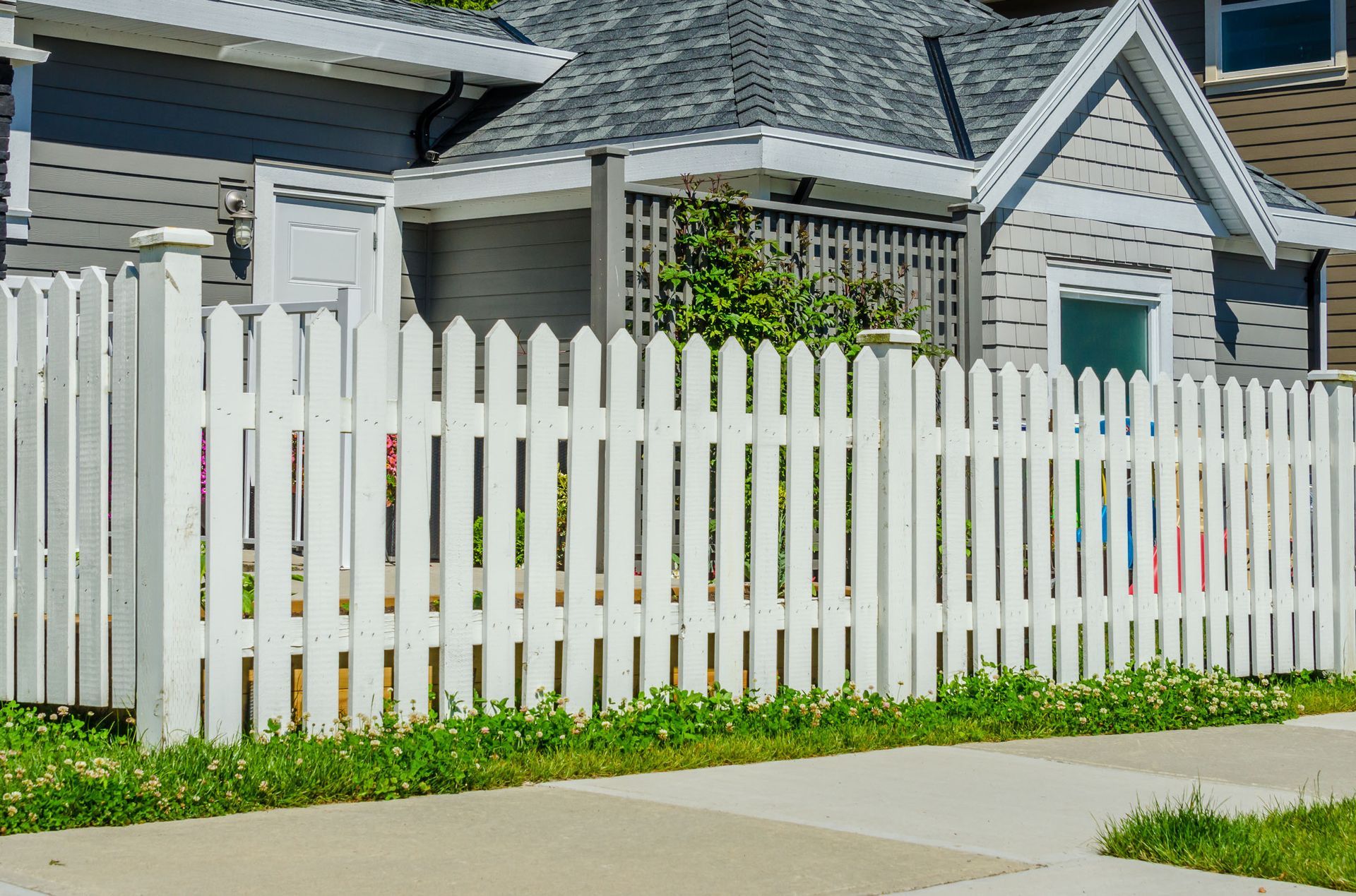
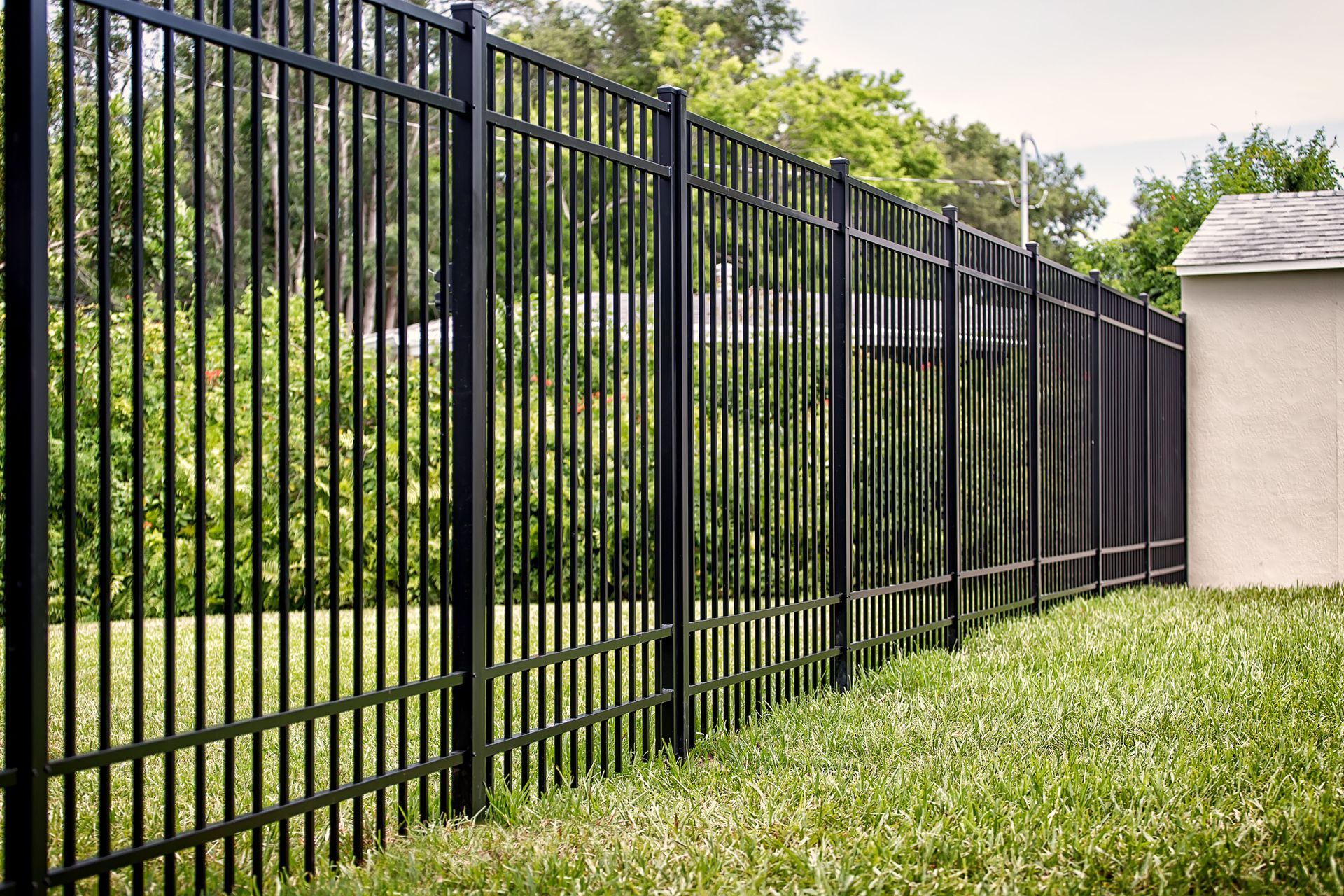
Wood fencing is often chosen for its natural appearance and versatility. It can be adapted to different styles and property layouts. Vinyl options provide a more uniform look and are commonly selected for their long-term consistency. Metal fencing, including aluminum and steel, offers strength and durability for a range of applications. Each option brings its own advantages depending on the intended purpose of the fence.
Material selection also influences how the fence will age over time. Exposure to weather conditions, temperature changes, and environmental factors all impact performance. Considering these elements in advance helps ensure that the chosen material aligns with long-term expectations. A thoughtful selection process supports a more satisfactory result.
Understanding the Timeline of New Fence Installation
Timeframe is an important consideration for any fencing project. While many homeowners are eager to see the finished result, the installation process requires careful sequencing of tasks. A new fence installation typically progresses through multiple stages, each contributing to the final structure. According to HomeGuide, most installations take three to four days, depending on several factors.
The initial stage often involves layout and marking of the installation area. This step ensures that the fence follows the intended boundaries and design. Once marking is complete, the next phase involves setting posts securely into place. This foundational step is essential for overall stability and alignment.
After the posts are set, panels or fencing materials are installed and secured. Final adjustments are then made to ensure consistency in height, spacing, and alignment. While the general timeline is relatively short, variations in terrain or design complexity can influence duration. Understanding this process helps set appropriate expectations for completion.
Observing Site Conditions During New Fence Installation
Site conditions play a significant role in how a fencing project unfolds. Factors such as soil composition, slope, drainage, and vegetation can all influence installation methods. A new fence installation must account for these variables to ensure a stable and long-lasting structure. Each property presents its own unique conditions that must be addressed during planning and execution.
Uneven terrain may require additional adjustments to maintain proper alignment. In some cases, grading or leveling considerations may be necessary to support consistent installation. Vegetation and root systems can also affect post placement and spacing. These natural elements are carefully evaluated before and during the project.
Weather conditions may also influence scheduling and progress. Rain, wind, and temperature changes can all affect how materials are handled and installed. Professional planning helps account for these variables to maintain efficiency. Understanding site conditions helps ensure a more predictable and controlled process.
Reviewing Installation Methods for New Fence Installation
Installation methods vary depending on the type of fence being installed. Each material and design requires specific techniques to ensure proper assembly and stability. A new fence installation typically follows a structured approach that includes measuring, setting posts, and securing panels. These steps are designed to create a consistent and durable final product.
Post-setting is one of the most important parts of the process. Proper depth and alignment help support the overall structure of the fence. Once posts are in place, horizontal and vertical elements are added to complete the framework. Precision during this stage is essential for long-term performance.
Finishing techniques may also be applied to enhance appearance and durability. These can include alignment adjustments and final inspections of structural integrity. Each step contributes to the overall quality of the installation. Careful execution helps ensure that the fence meets both functional and visual expectations.
Considering Property Function With New Fence Installation
Fencing serves a variety of functional purposes depending on the property and its intended use. Some homeowners prioritize privacy, while others focus on boundary definition or aesthetic enhancement. A new fence installation can be tailored to meet these specific needs. Understanding the intended function helps guide design decisions from the beginning.
Privacy fencing typically involves taller structures with minimal spacing between panels. These designs help create separation from surrounding areas. Decorative fencing, on the other hand, may emphasize appearance while still providing boundary definition. Functional fencing can also support safety and containment needs for pets or outdoor spaces.
The intended use of the fence influences material selection, height, and layout. Each decision contributes to how well the fence performs its intended role. Aligning design with function helps ensure long-term satisfaction. A clear understanding of property goals supports better planning outcomes.
Preparing for Daily Routine Adjustments During New Fence Installation
During installation, homeowners may experience temporary changes in how they use their outdoor spaces. Access to certain areas may be limited while work is in progress. A
new fence installation often requires equipment, materials, and work zones that temporarily affect normal routines. These adjustments are typically short-term but important to anticipate.
Outdoor movement patterns may shift while installation is underway. Pets, vehicles, and outdoor activities may need to be managed differently during this time. Planning ahead helps reduce inconvenience and supports a smoother experience overall. Communication throughout the process helps keep expectations aligned.
Whether you are planning future improvements or addressing current property needs, we are here to assist with professional service and knowledgeable guidance. Our focus is on delivering dependable support that helps make property maintenance and enhancement more manageable. We believe in clear communication and consistent attention to detail throughout every project. Contact J Fence & Construction Corp today to learn how we can support your next home improvement needs.